Houseboats
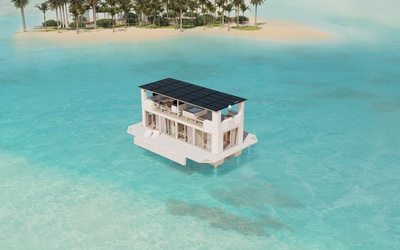
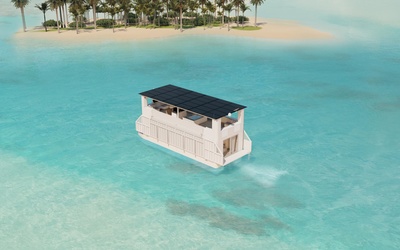
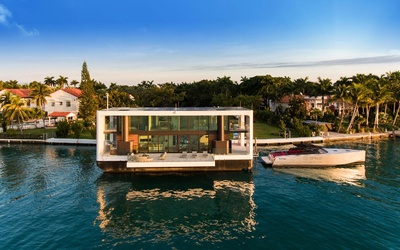
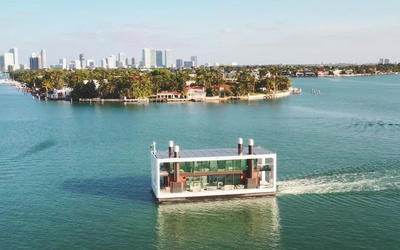
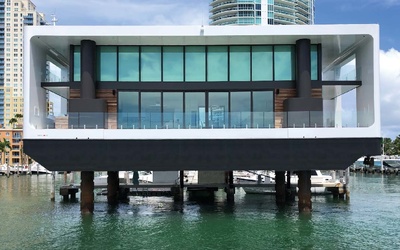
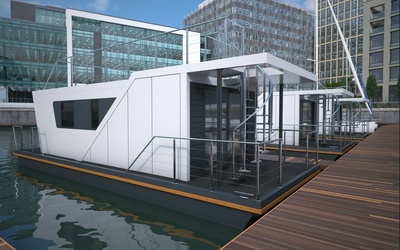
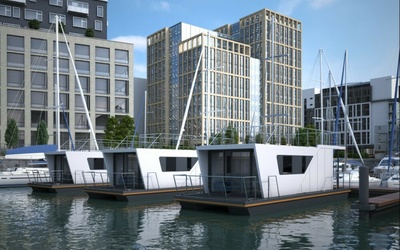
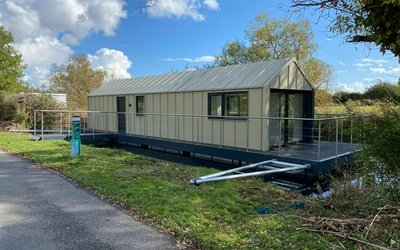
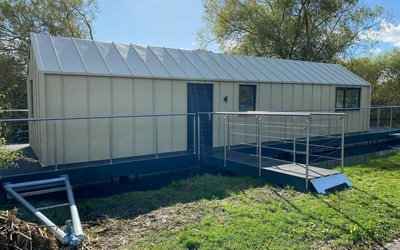
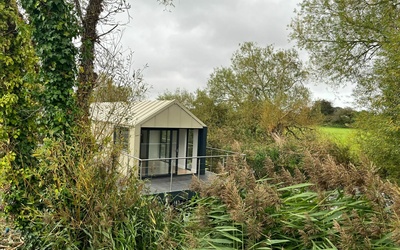
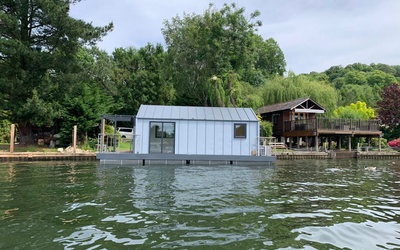
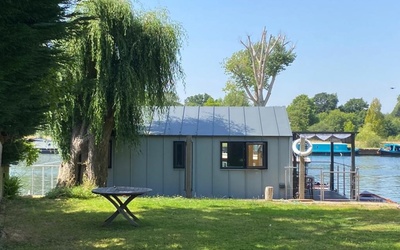
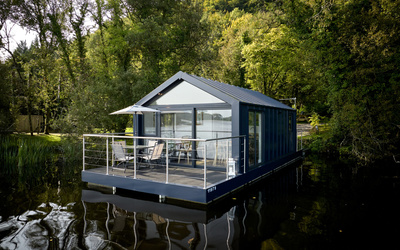
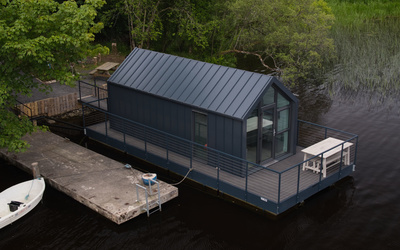
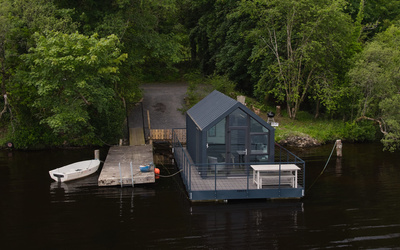
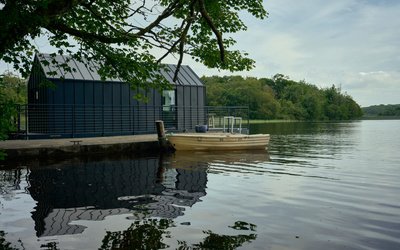
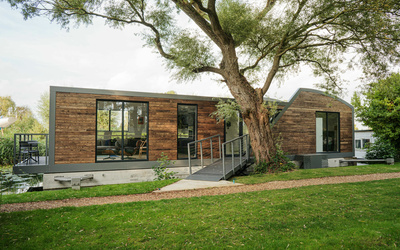
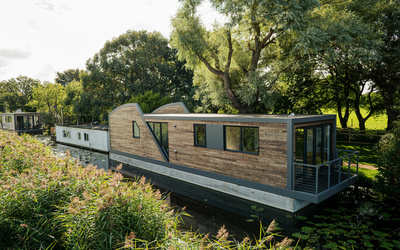
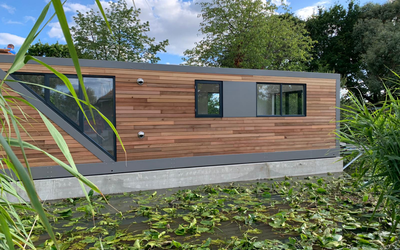
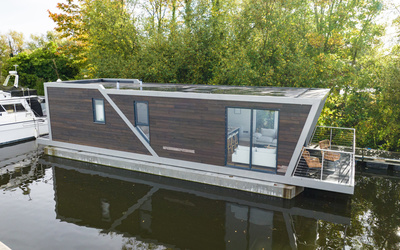
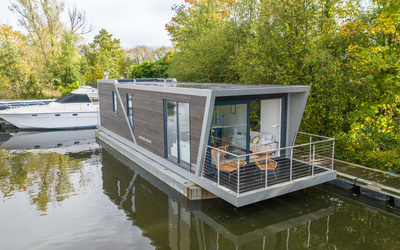
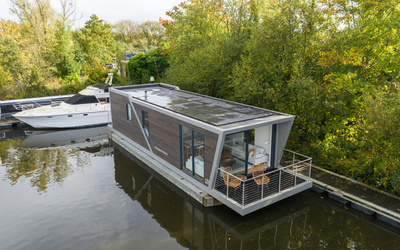
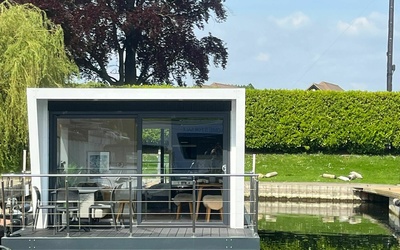
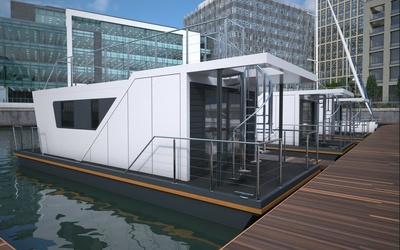
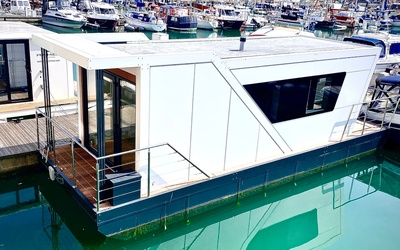
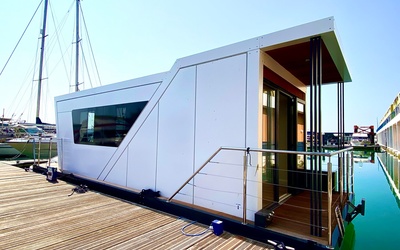
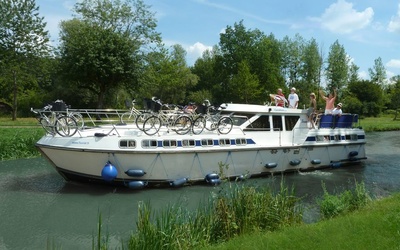
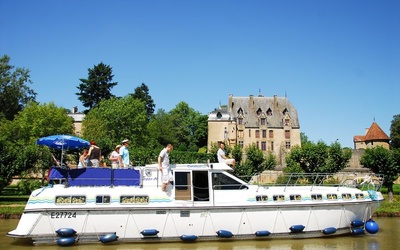
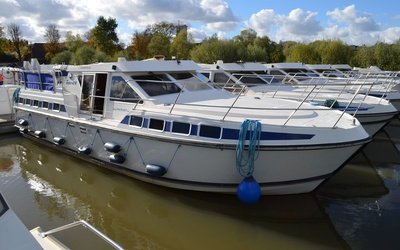
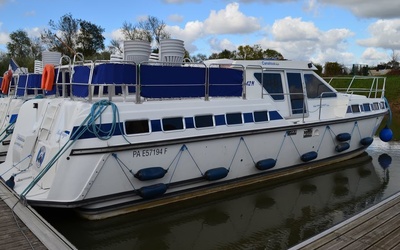
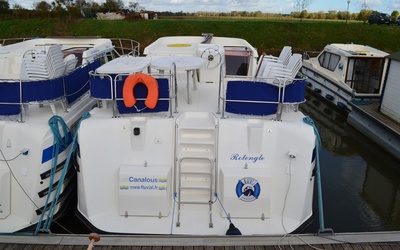
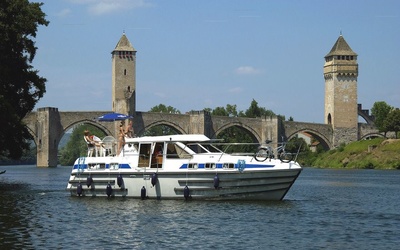
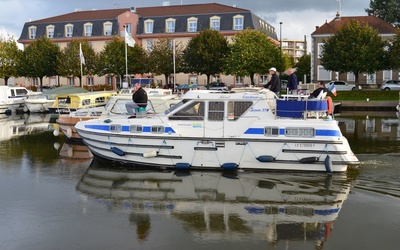
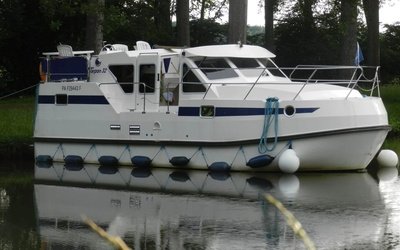
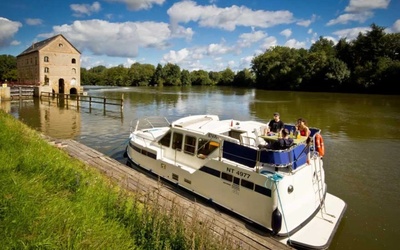
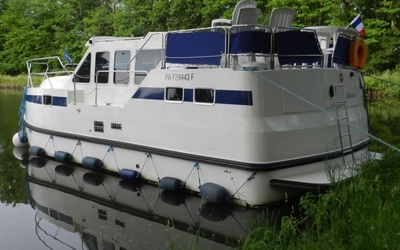
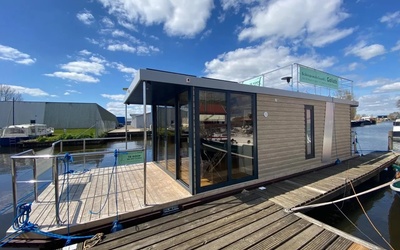
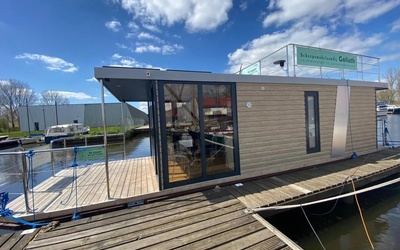
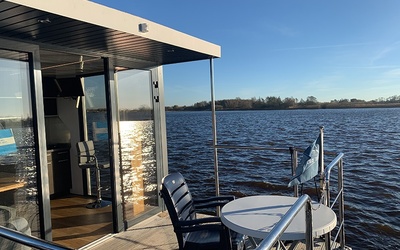
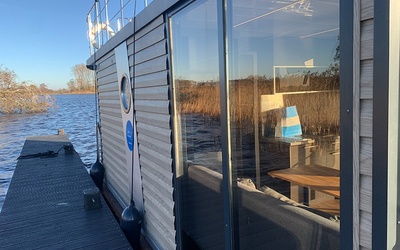
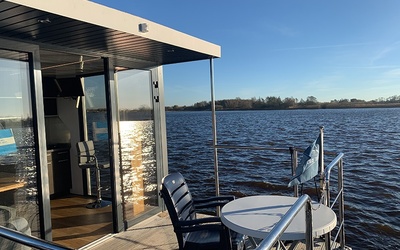
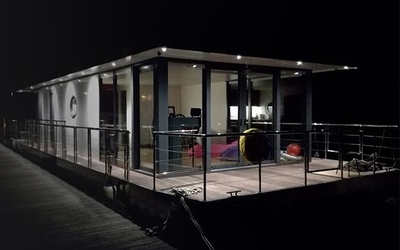
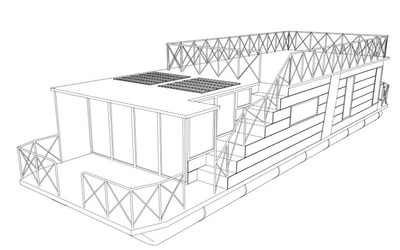
Flat bottomed floating homes with spacious living areas, bedrooms, bathrooms and kitchens. A house on the water!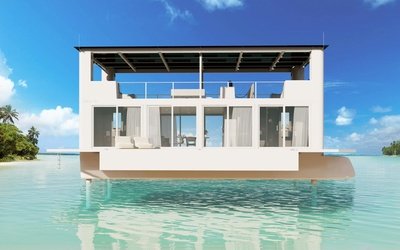
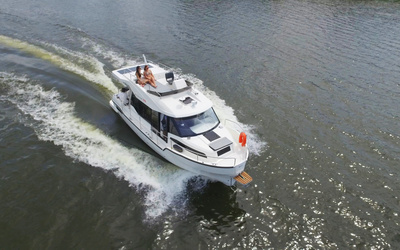
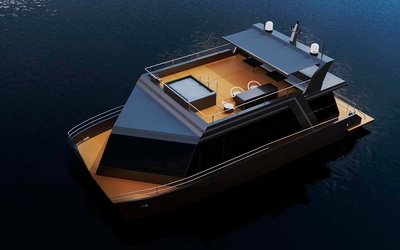
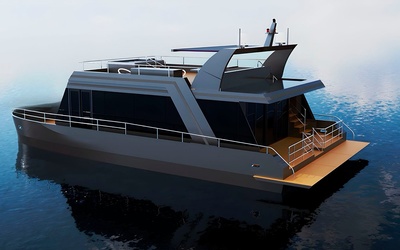
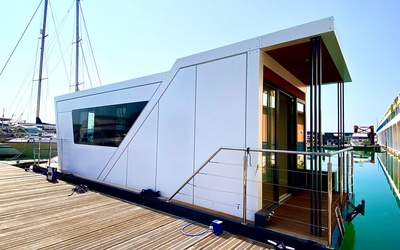
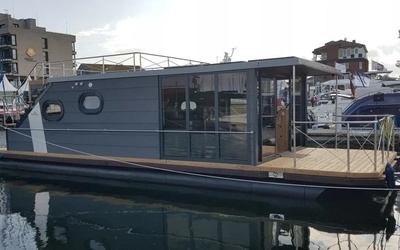
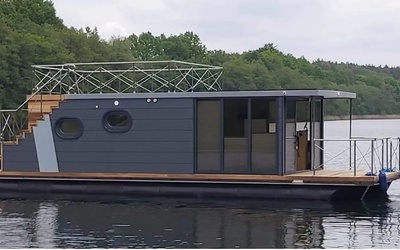
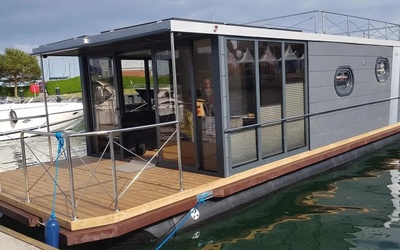
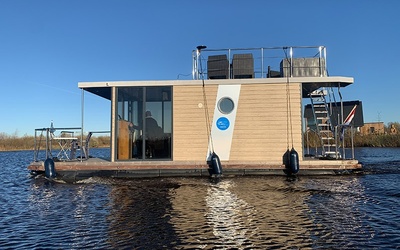
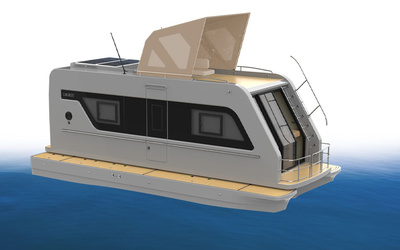
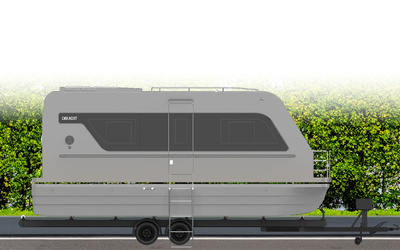
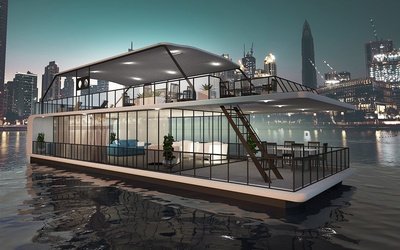
Manufacturers of houseboats
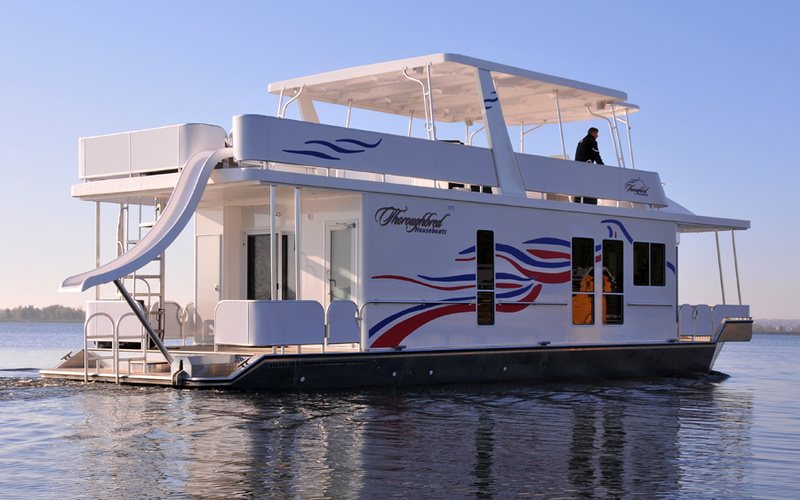

The brand Thoroughbred Houseboats produces houseboats. There is 1 model currently in production of 15.5 meters. We invite you to explore all current and older models from Thoroughbred Houseboats and contact us for sales and pricing information.
Read more >
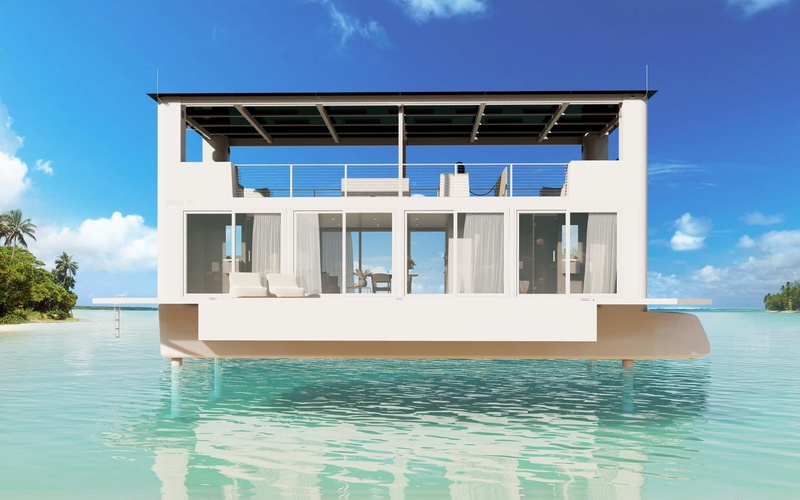
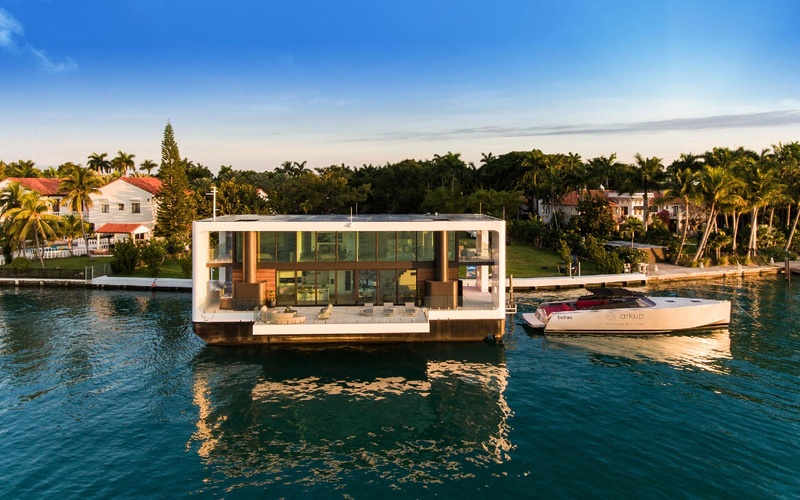

The brand Arkup produces houseboats. There are 2 models currently in production ranging from 15 to 23 meters. We invite you to explore all current and older models from Arkup and contact us for sales and pricing information.
Read more >
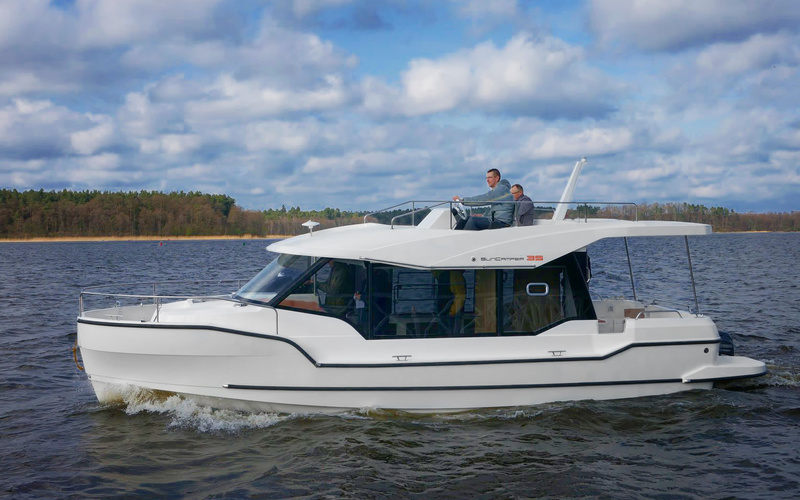

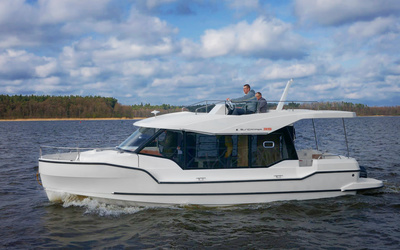
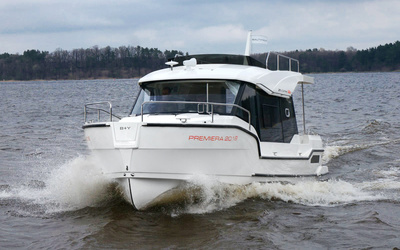
The brand Balt Yacht produces cabin cruisers and outboard boats. There are 5 models currently in production ranging from 8 to 12 meters. We invite you to explore all current and older models from Balt Yacht and contact us for sales and pricing information.
Read more >
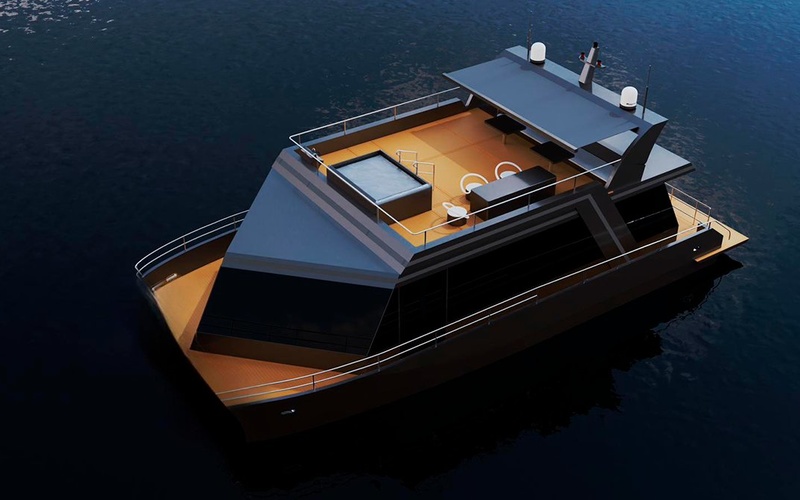
The brand Bay Square Floating Tech produces houseboats. There is 1 model currently in production of 15 meters. We invite you to explore all current and older models from Bay Square Floating Tech and contact us for sales and pricing information.
Read more >
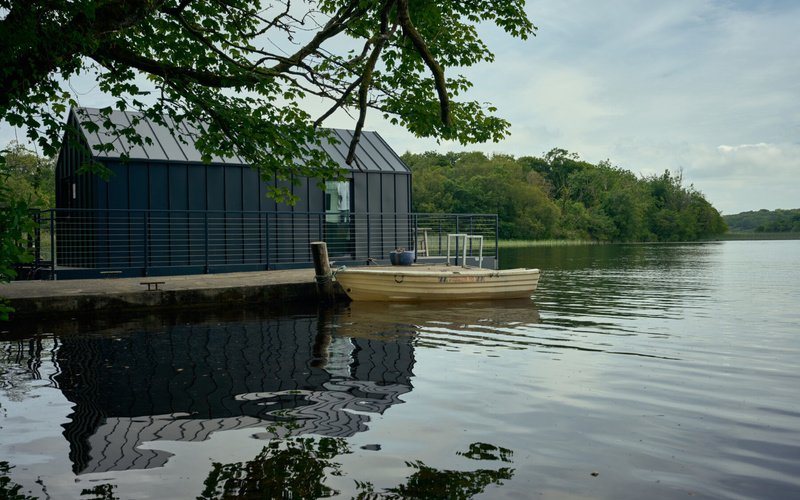
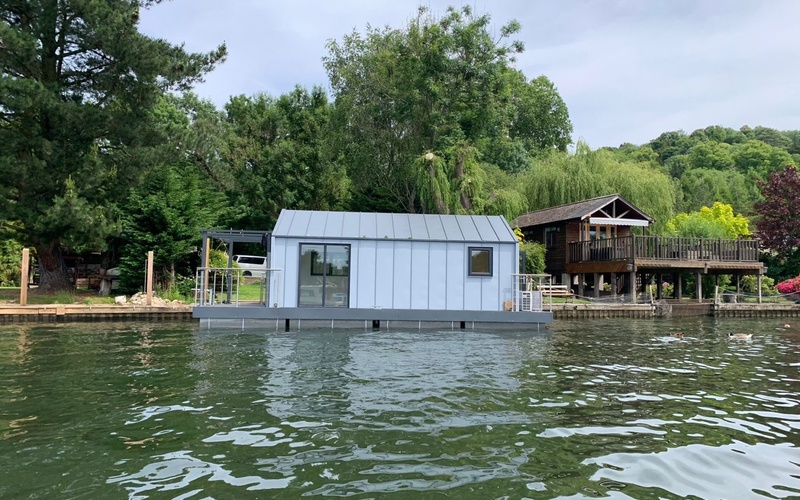
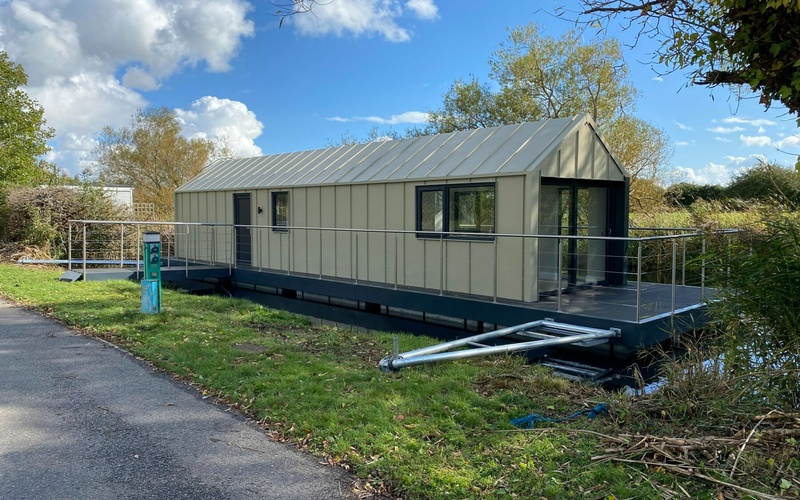
The brand Bluefield Houseboats produces houseboats. There are 8 models currently in production ranging from 10 to 20 meters. The current model range includes 3 lines: C, M and R. We invite you to explore all current and older models from Bluefield Houseboats and contact us for sales and pricing information.
Read more >
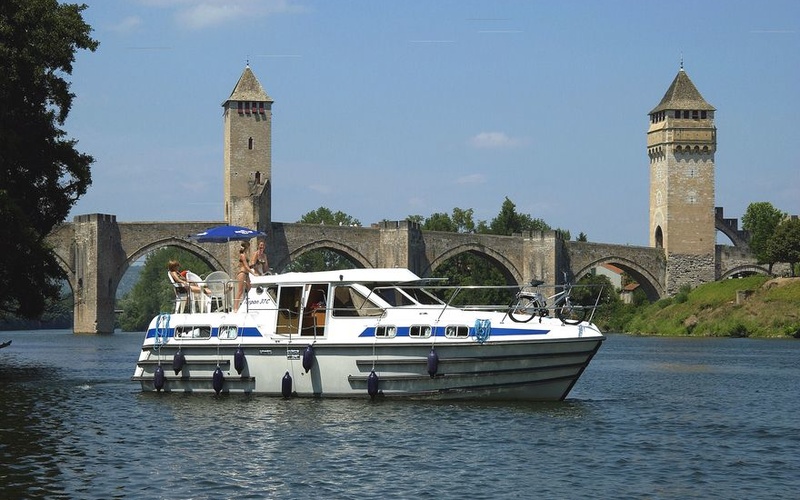
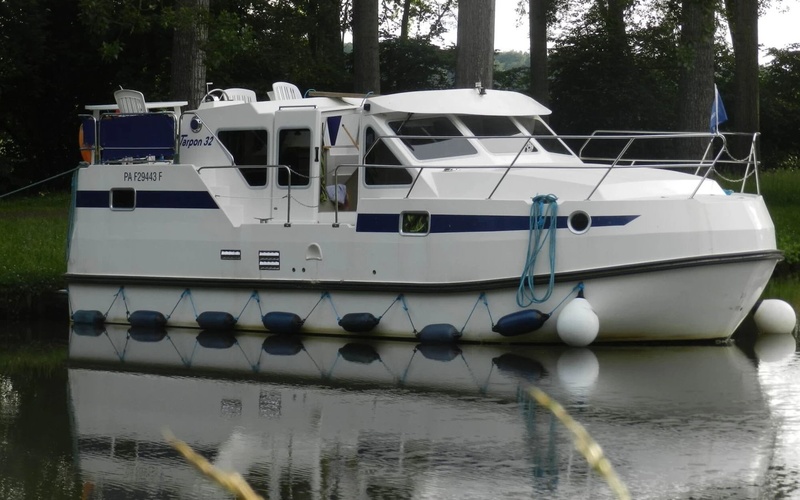
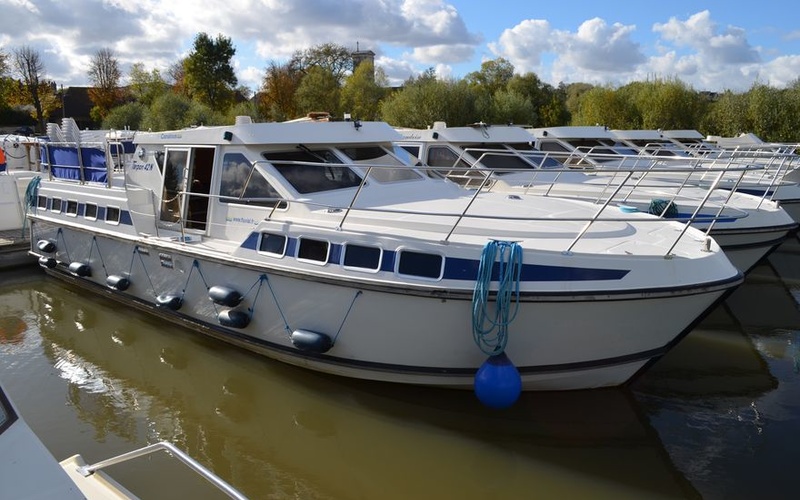

The brand CPC Chantier Naval produces houseboats. There are 4 models currently in production ranging from 9 to 15 meters. The current model range includes 1 line: Tarpon. We invite you to explore all current and older models from CPC Chantier Naval and contact us for sales and pricing information.
Read more >
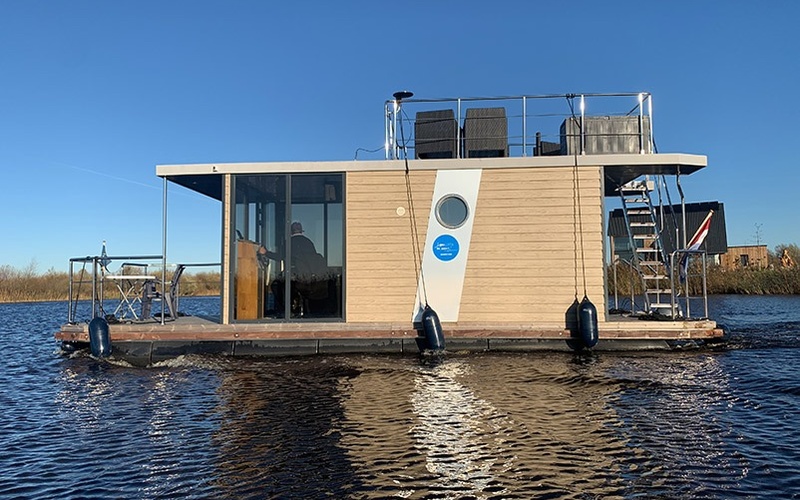
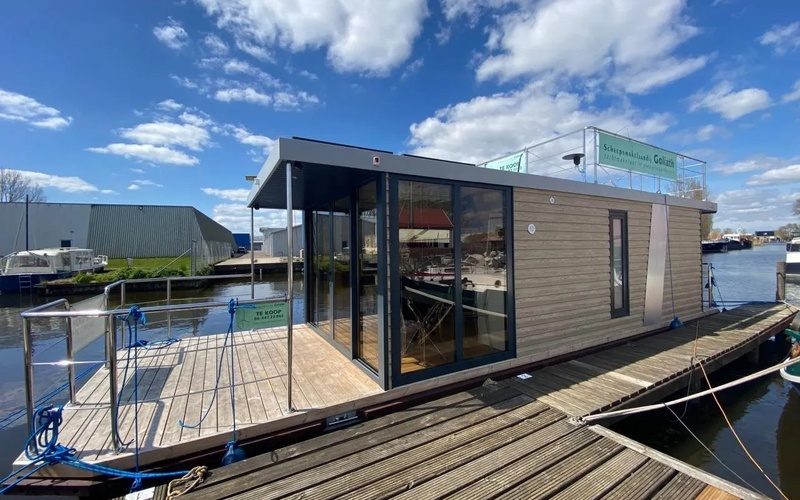
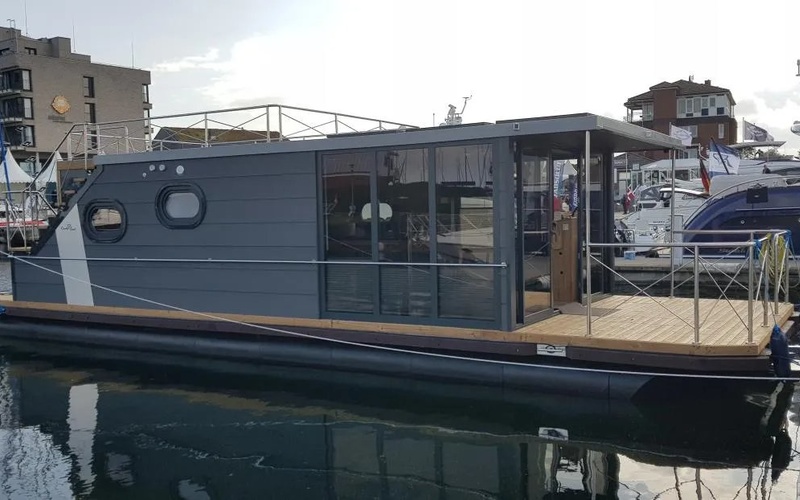
The brand Campi Boat produces houseboats. There are 4 models currently in production ranging from 9 to 15 meters. We invite you to explore all current and older models from Campi Boat and contact us for sales and pricing information.
Read more >
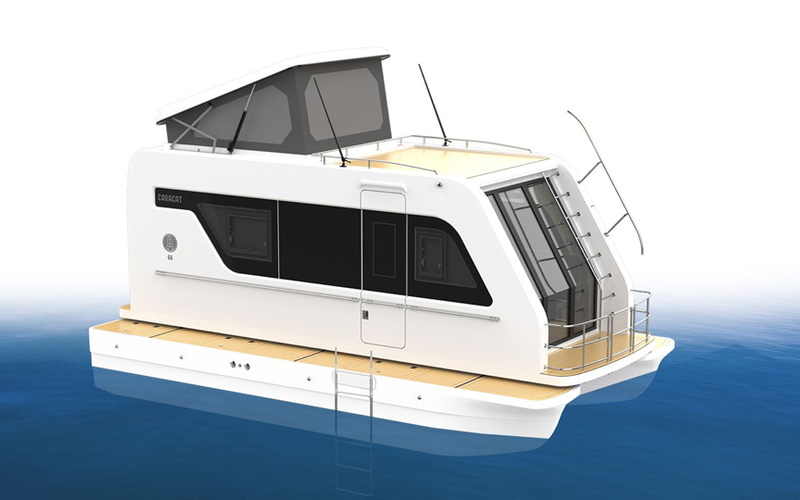
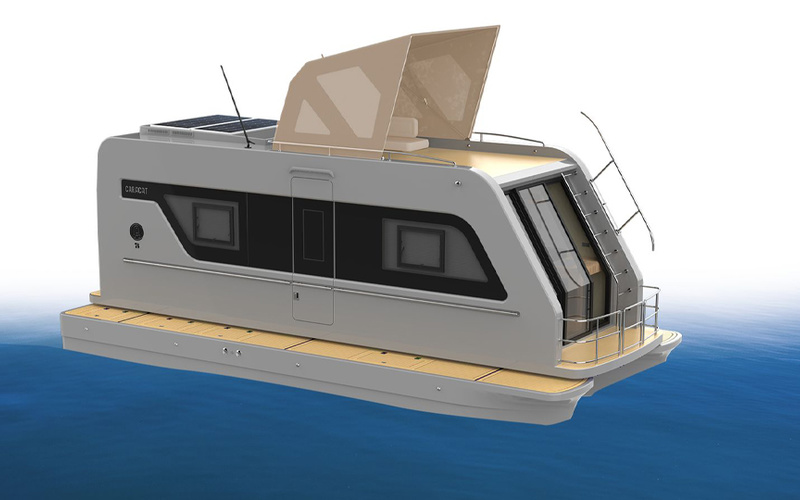
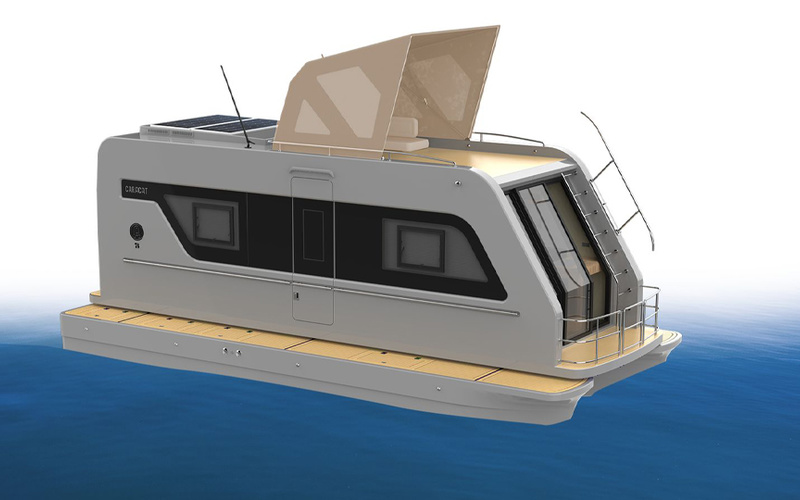

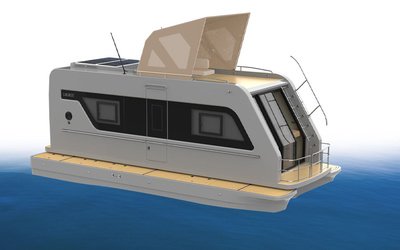
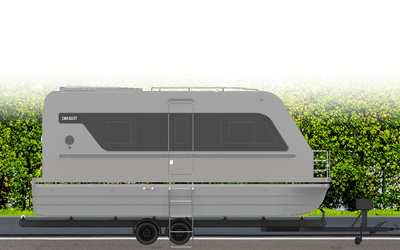
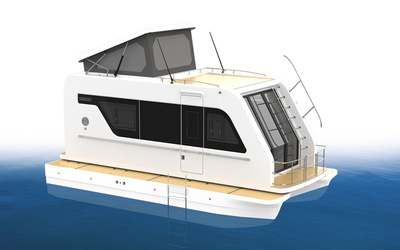
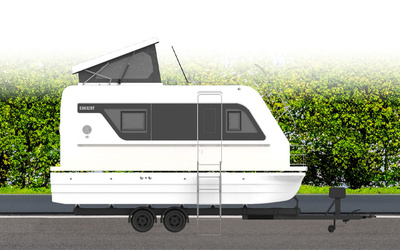
The brand CaraCat produces houseboats. There are 3 models currently in production ranging from 6 to 9 meters. We invite you to explore all current and older models from CaraCat and contact us for sales and pricing information.
Read more >
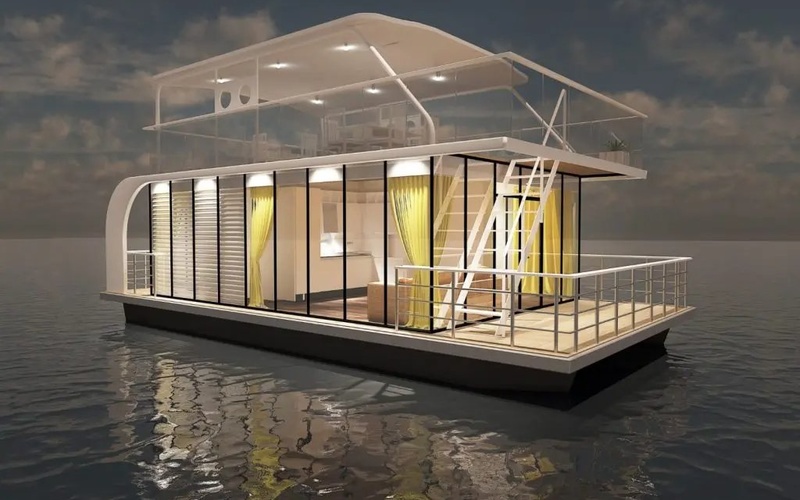
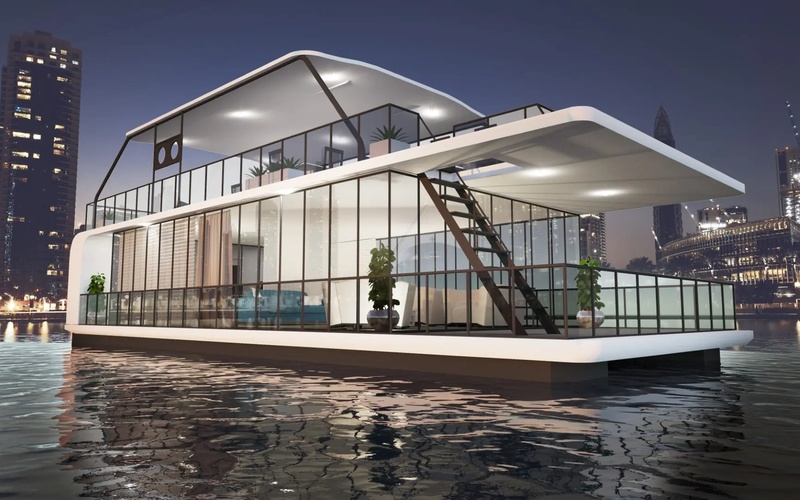
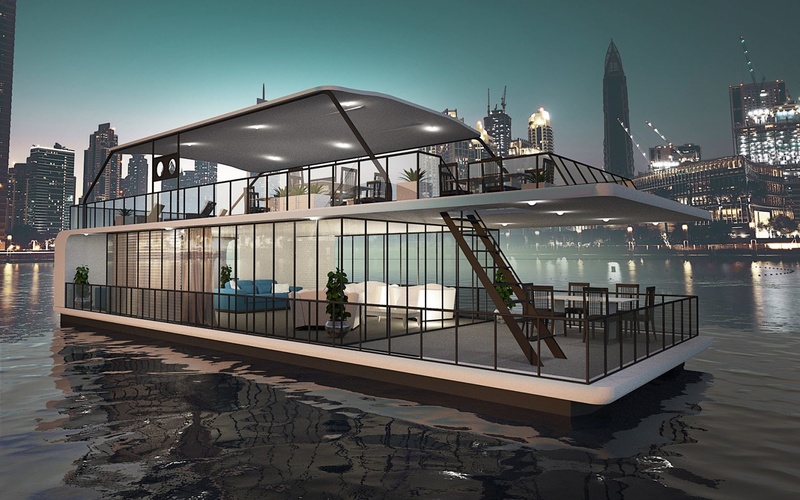

The brand CatMarina produces houseboats. There are 3 models currently in production ranging from 12 to 20 meters. We invite you to explore all current and older models from CatMarina and contact us for sales and pricing information.
Read more >
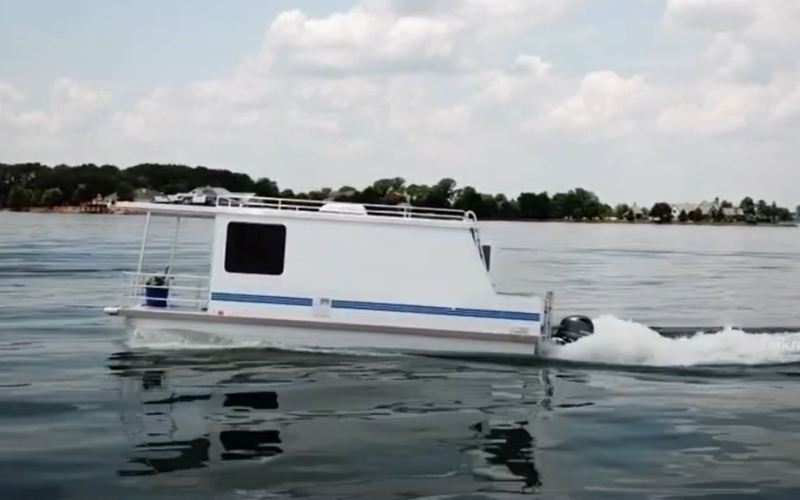
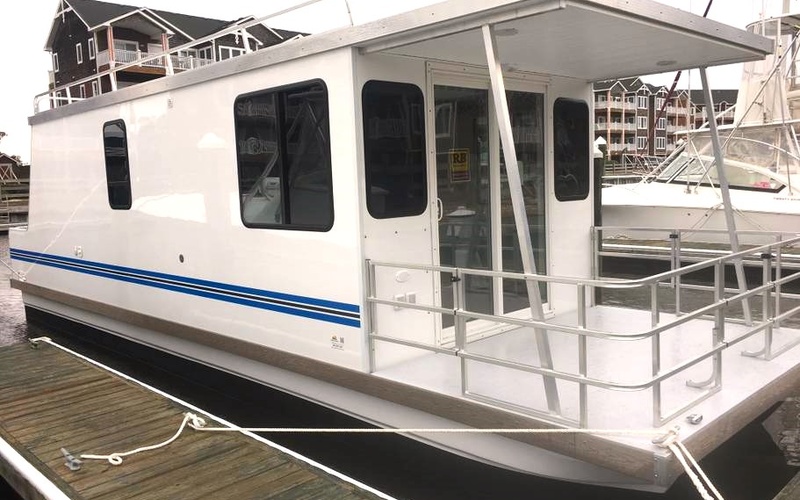
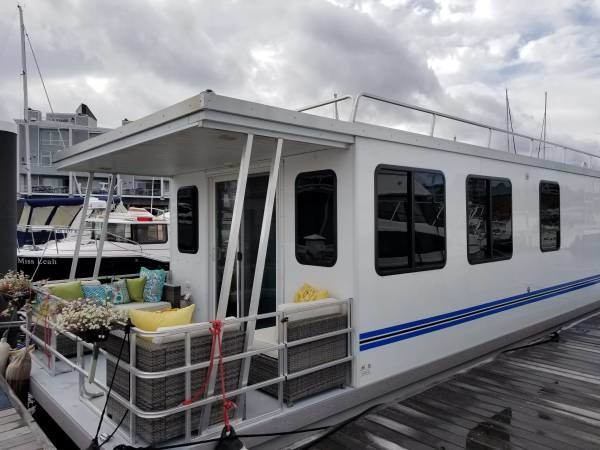

The brand Catamaran Cruisers produces houseboats and power catamarans. There are 8 models currently in production ranging from 9 to 18 meters. We invite you to explore all current and older models from Catamaran Cruisers and contact us for sales and pricing information.
Read more >
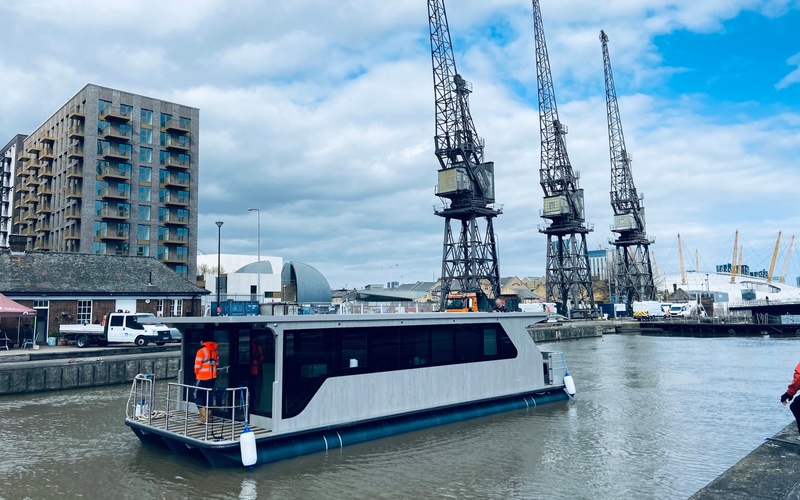
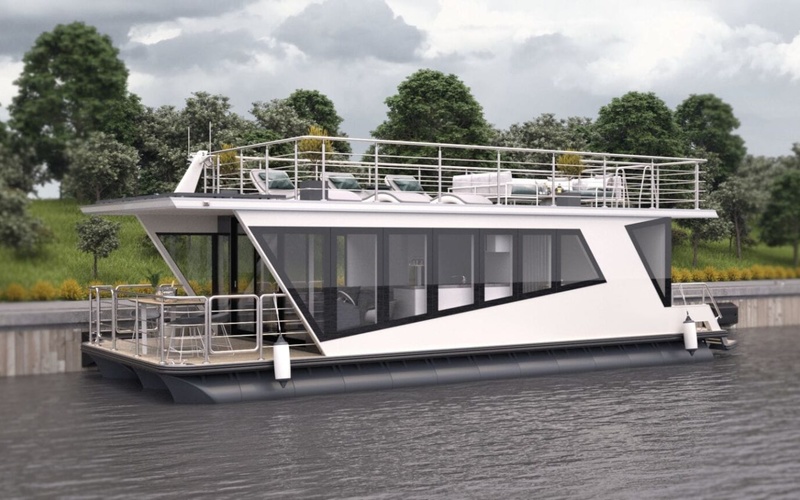
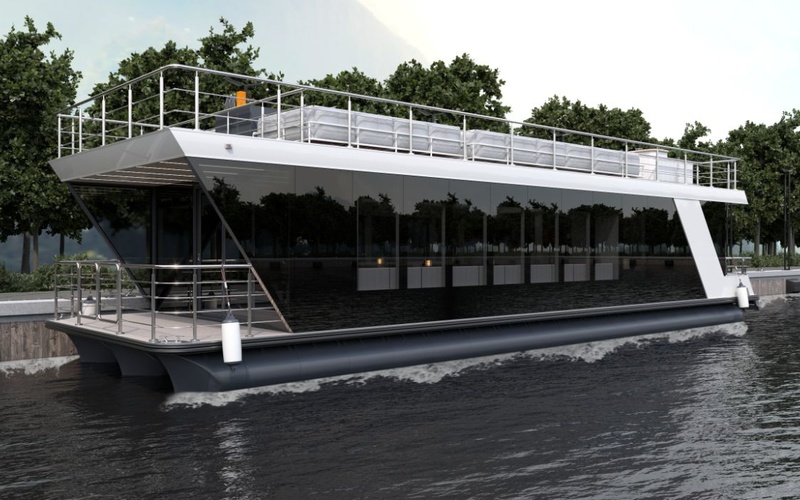

The brand Float8 produces houseboats. There are 6 models currently in production ranging from 10 to 16 meters. We invite you to explore all current and older models from Float8 and contact us for sales and pricing information.
Read more >
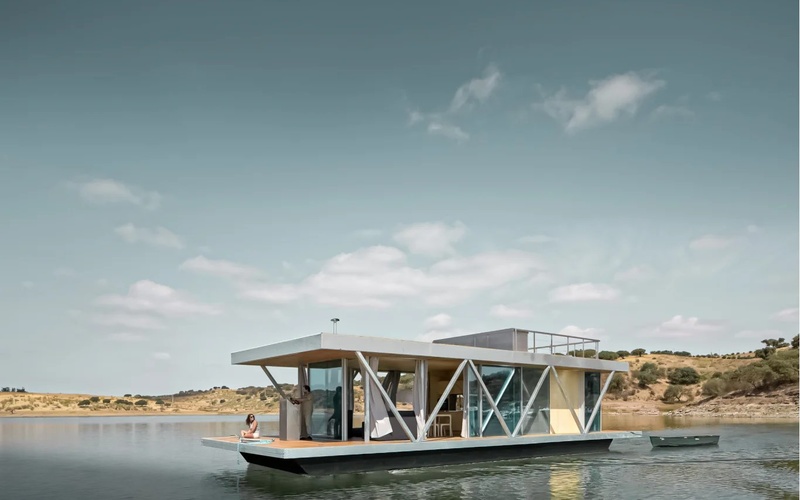
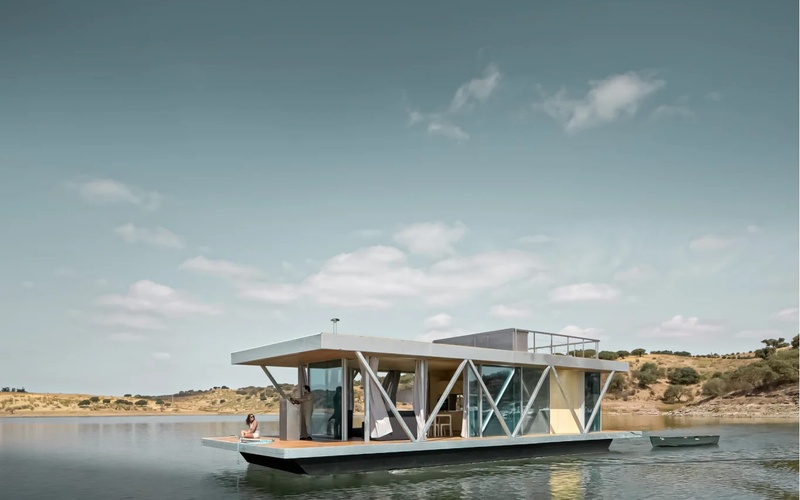
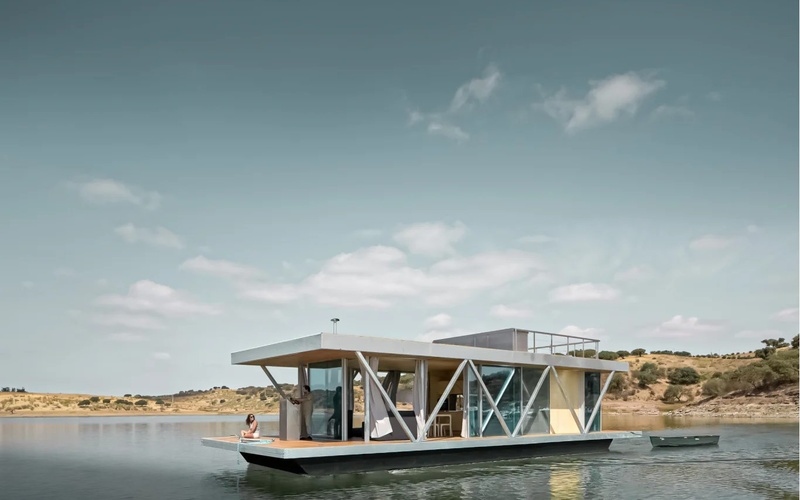

The brand Go Friday produces houseboats. There are 3 models currently in production ranging from 12 to 16 meters. We invite you to explore all current and older models from Go Friday and contact us for sales and pricing information.
Read more >
Selling Brokers Houseboats
Category Description
Houseboats, designed for year-round living much like a home on land, are popular on the rivers and canals of cities like Amsterdam, London, and Paris, as well as on the lakes of the U.S. and Europe. Plans for floating villages with permanently anchored villas are also in development in remote locations across Africa and Asia.
The key characteristics of a houseboat include:
- Stability at anchor
- Shallow draft
- Reliable hull construction
- Spacious interior volume
Since a houseboat is primarily a home, comfort is essential. A well-equipped houseboat should have:
- A waste disposal system
- Proper ventilation
- Effective thermal insulation
- A reliable water supply system (including desalination and purification)
- Heating systems, such as electric or diesel boilers
Most houseboats are not fully autonomous, meaning they are designed to be moored in areas with access to shore power and water supplies. However, some manufacturers offer autonomous houseboats equipped with features like heat pumps, solar panels, and heat-recovery ventilation systems, making self-sufficient living possible, though not always necessary.
Houseboat Construction: Key Materials and Hull Types
Houseboats are typically not designed for long sea voyages, so deep-V hulls are rarely used. Instead, flatter hull designs, such as semi-V or pontoons, are more common. Catamaran or even trimaran hulls are also used for stability. For year-round use in the Northern hemisphere, steel is the preferred material for the underwater portion of the hull, as it allows the boat to freeze into ice in winter without needing to be pulled ashore. Aluminum is another popular choice due to its durability and lightweight properties.
Some houseboats feature unconventional materials. For instance, there was a project of floating villas in Dubai that had underwater hulls made of concrete, while the rest of the structure was fiberglass. These villas also featured a double-bottom design with steel ballast to maintain stability at a fixed level in the water.
Houseboat Engines: Types of Propulsion and Their Uses
Houseboats come in two main categories: floating houses and motorized houseboats. Floating houses are designed to be stationary and towed when necessary, while motorized houseboats come equipped with various types of marine engines. Smaller, more affordable models often feature outboard motors, while larger, more sophisticated houseboats may have inboard engines, including sterndrives, shaft drives, or jet drives, which are ideal for shallow waters.
While engine power isn't a key factor for houseboats, as they are built for comfort rather than speed, owners have a wide range of propulsion options to choose from, along with other customizable features to suit their preferences. With the growing popularity of houseboats, there is now a rich and diverse selection available to meet various needs, from eco-friendly designs to luxury floating villas.
Similar categories
 261
261
 562
562
 472
472
 319
319
 123
123